

Back
Understand the challenges of cattle ranching in the biome known as Brazil’s cradle of waters
Download report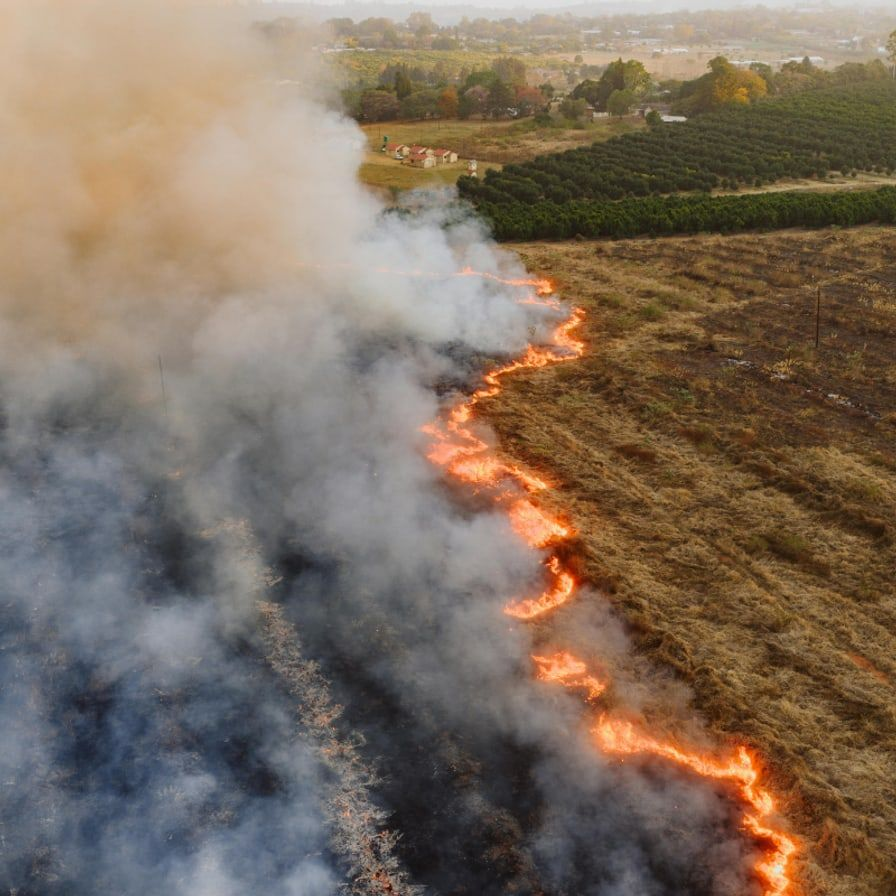
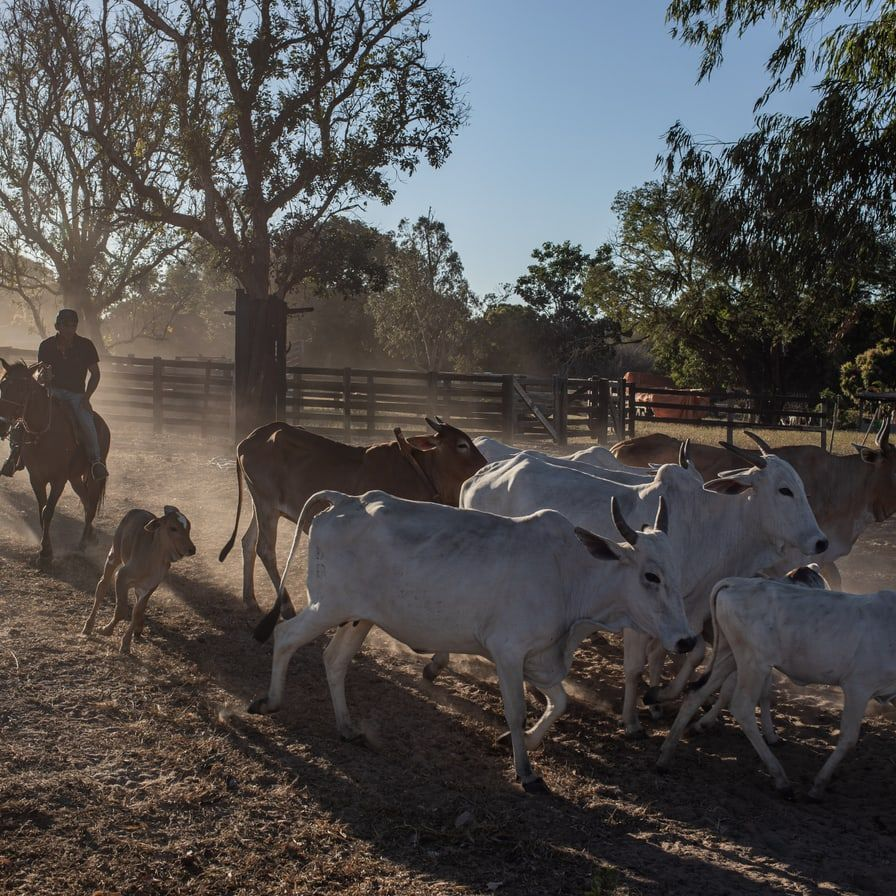
The Cerrado feeds eight of Brazil’s twelve hydrographic regions, and it was there that cattle ranching expanded fastest over the past decade. Data from Do Pasto ao Prato show how the conversion of native vegetation into pasture is concentrated precisely where cattle traceability is weakest, in the municipalities that supply the country’s largest meatpackers.
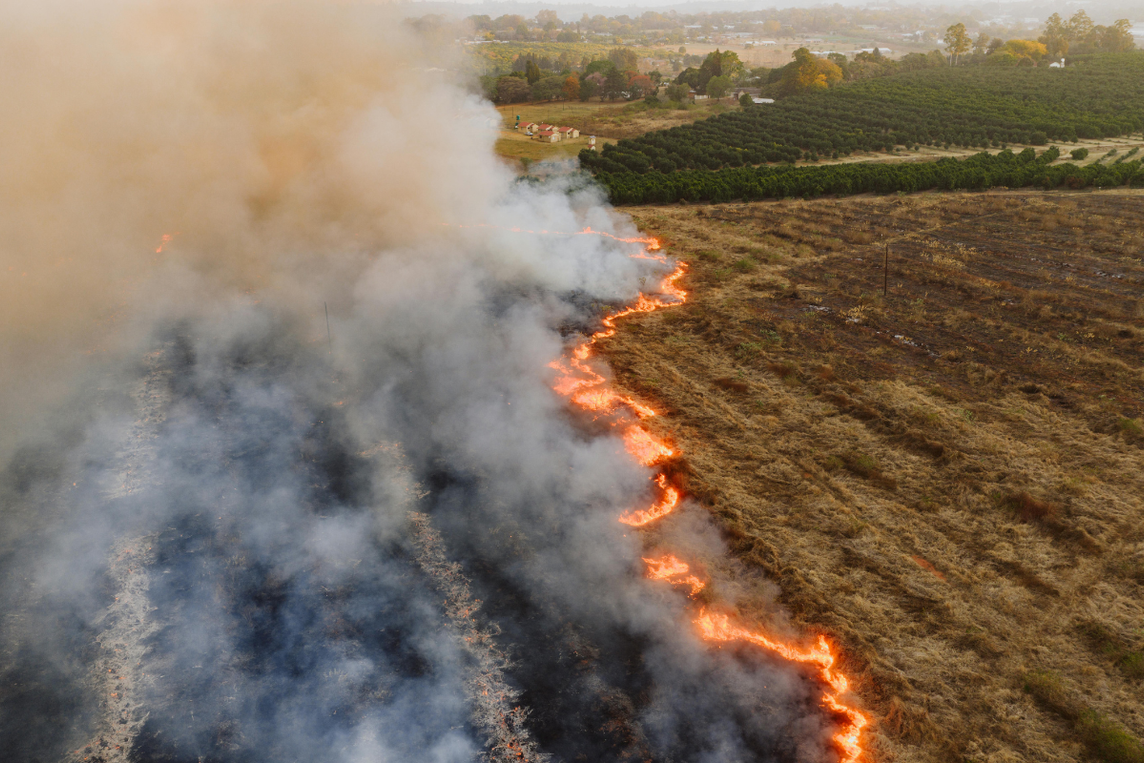
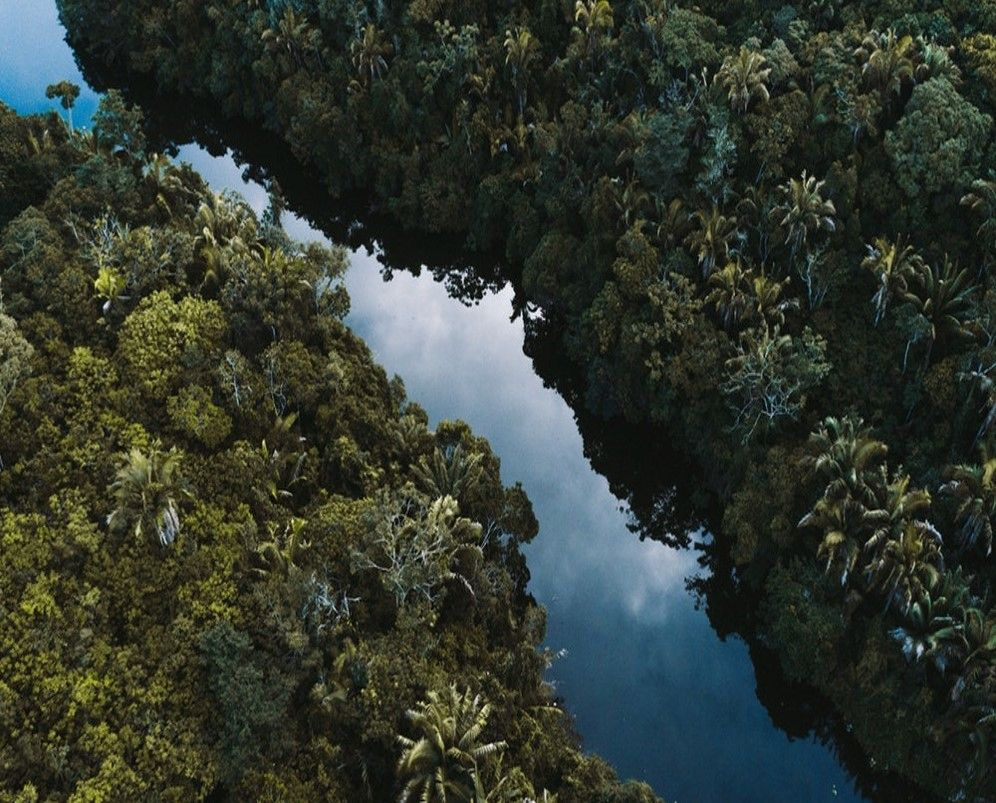
The conversion of native vegetation into pasture remains concentrated in municipalities where cattle traceability is weakest. In transition areas, pasture advances over the savanna formations that feed the headwaters of entire river basins, and the effect is not confined to the biome: part of the water that supplies the Southeast and the Northeast of the country rises there.
“Without knowing where the cattle came from, there is no way to know what was cleared to raise them.”
App data show that a significant share of the products scanned in state capitals comes from processing plants that buy from municipalities with deforestation alerts in the period under review. Scanning at the point of sale is what makes it possible to link the package to the plant that processed it, and from there to that plant’s network of suppliers.
What the data show
Municipalities with the largest conversion of native vegetation into pasture
Processing plants with suppliers in areas under deforestation alert
Products scanned by region and by retail chain
Information is
the power to change